
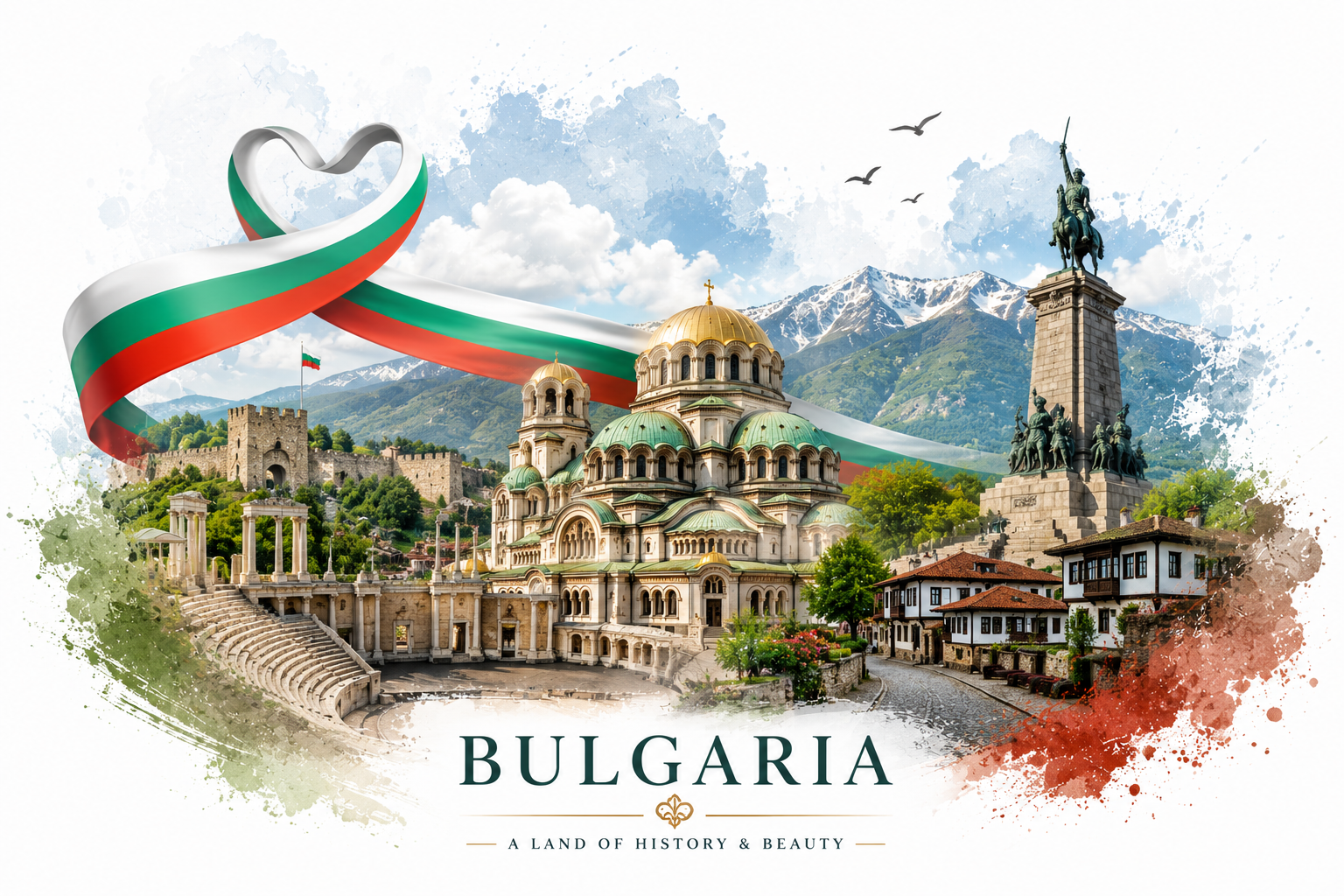
Recognized universities, affordable education, and growing career opportunities — Bulgaria is your gateway to a successful future in Europe.
Bulgaria is an increasingly popular European study destination offering internationally recognised degrees, affordable tuition fees, and a cost-effective lifestyle.
As a member of the European Union, Bulgaria provides students with access to quality higher education, modern universities, and growing career opportunities across Europe.
With a wide range of English-taught programs in business, engineering, IT, medicine, and health sciences, Bulgaria offers an excellent balance between academic quality and affordability and quality education.



Visa Application Assistance
Our experienced consultants will evaluate your eligibility, identify suitable study options, and advise on the most appropriate pathway based on your educational background, career goals, and destination preferences.


Pre-Departure Orientation
We provide comprehensive pre-departure guidance to help students prepare for their transition abroad. These sessions cover accommodation, travel arrangements, cultural adaptation, banking, healthcare, and important information about student life in the destination country.


Language Test Preparation
At FUTURE MIGRATE, our support does not end when you receive your study visa. We provide ongoing guidance to help students successfully build their future in Europe. We also help you by providing guidance on options that may lead to long-term residency or citizenship.
Why Choose us?
At FUTURE MIGRATE, we provide professional guidance and dedicated support throughout every stage of your study abroad journey.
Bulgaria combines affordable education, recognised European qualifications, and a low cost of living, making it an attractive choice for international students.
Key Benefits
- Internationally recognised EU degrees
- Affordable tuition fees
- Low living costs compared to Western Europe
- English-taught Bachelor’s and Master’s programmes
- Safe and student-friendly environment
Study Intakes
Admission deadlines vary depending on the university and program, but general timelines are:
- Fall Intake (September/October): Applications usually open in February–March and close by June–July.
- Spring Intake (February/March): Applications usually open in September–October and close by December–January.
Pakistani students are advised to apply as early as possible to allow time for visa processing.
🎓 Scholarships for International Students
Scholarship opportunities are available but remain competitive.
Common Options
- Bulgarian Government Scholarships
- Erasmus+ Programmes
- University Merit Scholarships
- Research Scholarships for Master’s and PhD Students
Merit Scholarships
Students with excellent academic records may qualify for partial tuition fee reductions depending on university policies.
Annual Tuition Fees
Bachelor’s Programs
€2,500 – €6,000 per year
Master’s Programs
€3,000 – €7,000 per year
Medicine, Dentistry & Pharmacy
€7,500 – €12,000+ per year
(Tuition fees vary by university and programme.)
Estimated Living Costs
€450 – €750 per month
Typical expenses include:
- Accommodation
- Food and groceries
- Transportation
- Utilities
- Personal expenses
Students studying in Sofia generally require a slightly higher budget than those in smaller cities.
Undergraduate Programs
- Higher Secondary School Certificate (12 years of education)
- Minimum 50-60% academic performance recommended
- English language proficiency IELTS 6.0
- Valid Passport.
Master’s Programs
- Recognized bachelor’s degree in relevant field
- Minimum academic score of 50–60%
- IELTS 6.0 or accepted Medium of Instruction (MOI)
- Program-specific requirements where applicable
General Documents Required
- Academic transcripts and certificates
- Passport copy
- Application form
- Curriculum Vitae (CV)
- Motivation Letter / SOP
- English language certificate
- Passport-size photographs
- Medical certificate (if required)
- Legalised and translated academic documents
All academic documents must be attested by the Higher Education Commission (HEC) Pakistan, the Ministry of Foreign Affairs (MOFA) Pakistan, and legalized by the Bulgarian Embassy/Consulate.
Bulgaria is home to several well-established universities known for academic quality and international student programs.
Top Institutions Include:
- Sofia University St. Kliment Ohridski
- Medical University Sofia
- Varna Medical University
- Technical University of Sofia
- New Bulgarian University
- University of National and World Economy
- Plovdiv University Paisii Hilendarski
Why Choose Bulgarian Universities?
- Recognised European qualifications
- Affordable tuition fees
- Strong Medical and Health Sciences programmes
- Modern teaching methods
- International student community
- English-taught programmes available
Working While Studying
International students holding a Bulgarian student residence permit may work during their studies under Bulgarian regulations.
Student Work Rights
- Up to 20 hours per week during studies
- Full-time work may be possible during official university holidays
- Internship opportunities available through universities and employers
After Graduation
Bulgaria allows international graduates to remain in the country after completing their studies.
Post-Study Stay
- Graduates may remain in Bulgaria for up to 9 months after graduation to search for employment or start work.
- Registration with the Employment Agency is required according to Bulgarian regulations.
- Once employment is secured, graduates may apply for an appropriate work and residence permit.
Study Intakes
Admission deadlines vary depending on the university and program, but general timelines are:
- Fall Intake (September/October): Applications usually open in February–March and close by June–July.
- Spring Intake (February/March): Applications usually open in September–October and close by December–January.
Pakistani students are advised to apply as early as possible to allow time for visa processing.
🎓 Scholarships for International Students
Scholarship opportunities are available but remain competitive.
Common Options
- Bulgarian Government Scholarships
- Erasmus+ Programmes
- University Merit Scholarships
- Research Scholarships for Master’s and PhD Students
Merit Scholarships
Students with excellent academic records may qualify for partial tuition fee reductions depending on university policies.
Annual Tuition Fees
Bachelor’s Programs
€2,500 – €6,000 per year
Master’s Programs
€3,000 – €7,000 per year
Medicine, Dentistry & Pharmacy
€7,500 – €12,000+ per year
(Tuition fees vary by university and programme.)
Estimated Living Costs
€450 – €750 per month
Typical expenses include:
- Accommodation
- Food and groceries
- Transportation
- Utilities
- Personal expenses
Students studying in Sofia generally require a slightly higher budget than those in smaller cities.
Undergraduate Programs
- Higher Secondary School Certificate (12 years of education)
- Minimum 50-60% academic performance recommended
- English language proficiency IELTS 6.0
- Valid Passport.
Master’s Programs
- Recognized bachelor’s degree in relevant field
- Minimum academic score of 50–60%
- IELTS 6.0 or accepted Medium of Instruction (MOI)
- Program-specific requirements where applicable
General Documents Required
- Academic transcripts and certificates
- Passport copy
- Application form
- Curriculum Vitae (CV)
- Motivation Letter / SOP
- English language certificate
- Passport-size photographs
- Medical certificate (if required)
- Legalised and translated academic documents
All academic documents must be attested by the Higher Education Commission (HEC) Pakistan, the Ministry of Foreign Affairs (MOFA) Pakistan, and legalized by the Bulgarian Embassy/Consulate.
Bulgaria is home to several well-established universities known for academic quality and international student programs.
Top Institutions Include:
- Sofia University St. Kliment Ohridski
- Medical University Sofia
- Varna Medical University
- Technical University of Sofia
- New Bulgarian University
- University of National and World Economy
- Plovdiv University Paisii Hilendarski
Why Choose Bulgarian Universities?
- Recognised European qualifications
- Affordable tuition fees
- Strong Medical and Health Sciences programmes
- Modern teaching methods
- International student community
- English-taught programmes available
Working While Studying
International students holding a Bulgarian student residence permit may work during their studies under Bulgarian regulations.
Student Work Rights
- Up to 20 hours per week during studies
- Full-time work may be possible during official university holidays
- Internship opportunities available through universities and employers
After Graduation
Bulgaria allows international graduates to remain in the country after completing their studies.
Post-Study Stay
- Graduates may remain in Bulgaria for up to 9 months after graduation to search for employment or start work.
- Registration with the Employment Agency is required according to Bulgarian regulations.
- Once employment is secured, graduates may apply for an appropriate work and residence permit.
Secure your future with affordable European education; simply choose your degree, and we’ll pave the way.
Yes. Bulgaria is a member of the European Union.
Yes. Bulgaria became a full member of the Schengen Area in 2025, allowing easier travel within Schengen countries.
Yes. International students may generally work up to 20 hours per week while studying.
Yes. Graduates may remain in Bulgaria for up to 9 months to seek employment after completing their studies.
Not always. Some universities conduct their own English assessment tests or accept alternative proof of English proficiency.
Family reunification options may be available depending on residence status and Bulgarian immigration requirements.
Yes. Bulgaria maintains diplomatic representation in Islamabad for visa and consular services.
- University Admission: 2–8 weeks
- Visa (Type D): 4–8 weeks
- Residence Permit: After arrival in Bulgaria
Total process time is generally 4–6 months.
Yes. Reasonable study gaps supported by employment, business experience, or professional development are often considered by universities.
The main intake is September/October, and students are advised to begin applications between June and July.
Most Bulgarian universities generally consider international applicants with at least 50%–60% marks in their previous education. Competitive programmes such as Medicine, Dentistry, and Pharmacy may have higher academic requirements. Final admission decisions are made by the university.
For most non-medical programmes, admission is based primarily on academic qualifications and document assessment.
However, Medicine, Dentistry, and Pharmacy programmes commonly require entrance examinations, usually covering Biology, Chemistry, and English Language.